
Tips to improve the taste of fish
Dispatch and bleed immediately
Kill and bleed any fish for the table as soon as you catch them. Quickly and humanely dispatching your catch reduces the chance of potential lactic acid build-up, maximising quality and taste. Bleeding the fish is also important as any residual blood oxidises in the flesh, reducing the flavour quality.
Chill quickly
When in the marine environment, use a saltwater ice slurry if possible.
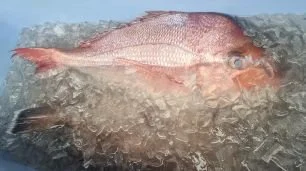
Immediately submerging your dispatched fish in an ice slurry is the best way to rapidly reduce the temperature of your catch. An ice slurry helps keep the fish flesh firm and reduces any bruising and discolouration. Firming the flesh up this way makes the filleting process easier too. Otherwise, use a cooler bag or esky filled with ice to keep your catch cool.
Using fresh water when storing or cleaning saltwater species will decrease the flavour and impact the texture of your fish so use saltwater whenever possible.
Ideally keep harvested fish dry
Use absorbent paper towels to keep your catch dry, especially when storing.
Avoid exposing fish fillets to water if possible. Use absorbent paper towels to dry the fish's skin and cavities. Keeping the flesh dry helps preserve the fish's natural flavour and texture, resulting in a better tasting fillet that cooks more evenly and crisply.
Keeping the fish dry when storing also reduces bacterial spoilage. This is because it lowers the amount of water available for microorganisms to grow and increases the fish’s shelf life.
Maximise the return from your fish
Good fish utilisation is something that we should all aspire to as responsible fishers and lovers of fresh, sustainable seafood.
There are many benefits from maximising the return from your harvested fish. This includes getting more meals for you and your family from the fish you catch, meaning you don’t need to take as many fish. The end game here is that fish populations benefit and you can spend more time eating your fish as opposed to cleaning them!
Depending on the fish species, we can waste up to 70% of the fish if we only consume the fillets. There are many additional parts of the fish that can be used, including:
the collar – the collar is fatty and rich and contains no fiddly small bones. They can be treated like a chicken wing or similar when cooking.
the head – the head is very versatile and can be used in soups and curries.
the frame – the frame can be used for soup and stock or it can be grilled or fried.
There are an increasing number of recipes available that include using the complete fish. Go check them out and try something new!
